
Betting strategy is an intricate interplay of mathematics, psychology, and market observation, each element contributing to a player’s ability to make informed decisions. Understanding the nuances of this field goes beyond mere chance, emphasizing a disciplined approach where knowledge and planning outweigh luck. Developing a coherent strategy requires not only familiarity with the mechanics of betting but also insight into behavioral patterns, trends, and situational analysis, which collectively empower a player to anticipate outcomes and mitigate risk.
At the core of strategic betting lies the concept of probability. Every decision, whether in sports, casino games, or financial markets, carries an inherent level of risk and potential reward. A robust strategy begins with recognizing the probabilities associated with each possible outcome. This involves not only analyzing historical data but also identifying variables that could affect results, such as team performance, market volatility, or changing conditions. A player who integrates probability analysis into their approach can make more calculated decisions, avoiding impulsive choices driven by emotion rather than logic.
Psychological discipline is equally important in strategic betting. Human tendencies often skew perception and influence decision-making, resulting in behaviors like chasing losses or overvaluing recent events. A well-structured strategy counters these biases by promoting consistency and rational evaluation. Players who maintain a disciplined mindset are less likely to fall prey to emotional swings, instead approaching each betting opportunity with a clear assessment of risk versus reward. This psychological fortitude not only protects financial interests but also enhances long-term performance by fostering consistent, measured actions.
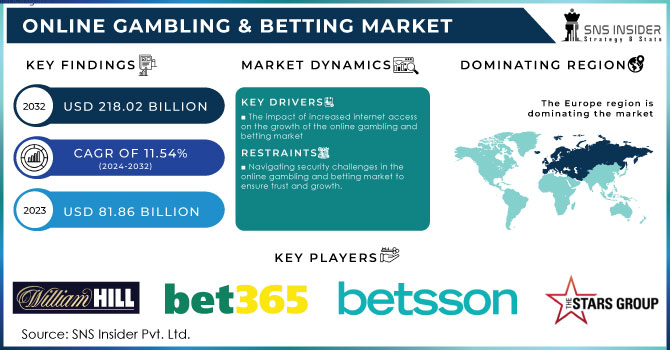
Market awareness forms another cornerstone of effective strategy. Betting markets are dynamic ecosystems, reflecting the aggregated actions, expectations, and information of participants. Recognizing patterns and understanding how different factors influence odds is critical for positioning oneself advantageously. For example, shifts in public sentiment or sudden changes in key variables can create opportunities for informed players to capitalize on mispriced odds. By continually monitoring the market and interpreting signals accurately, a bettor can identify moments when potential value outweighs risk, enhancing both decision quality and overall profitability.
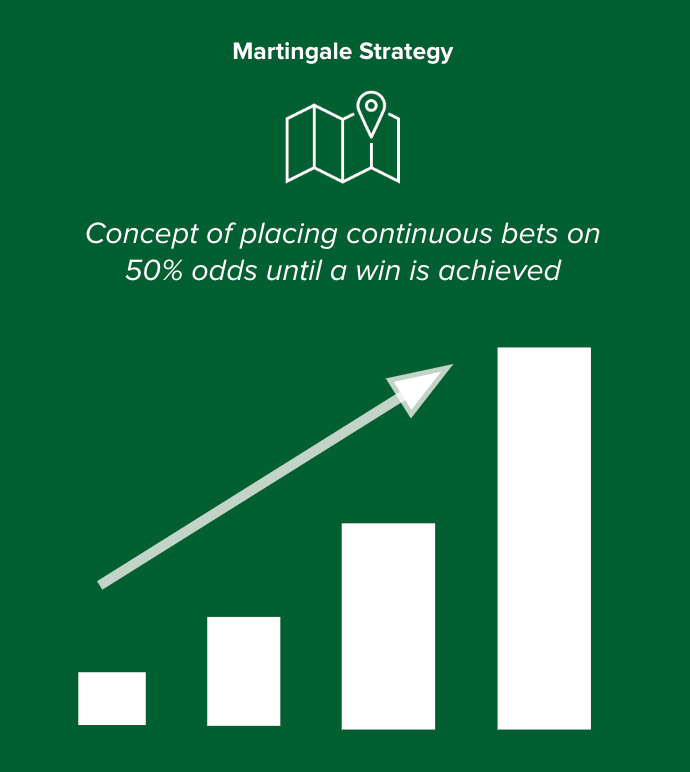
An essential component of strategic betting is risk management. No strategy guarantees success, and losses are an inevitable aspect of any betting activity. Effective strategies emphasize controlled exposure, ensuring that individual decisions do not jeopardize overall stability. Techniques such as bankroll management, position sizing, and hedging allow players to navigate uncertainty while preserving the ability to participate in future opportunities. Risk management is not simply about avoiding loss; it is about optimizing the relationship between potential return and acceptable exposure, ensuring sustainability over time.
Adaptability is a crucial skill in environments characterized by uncertainty. Conditions, rules, and participants’ behaviors are in constant flux, demanding that strategies evolve accordingly. Players who are observant and flexible can adjust their tactics to account for new information or emerging trends. This adaptability enhances the ability to seize advantageous situations while mitigating unforeseen challenges. Moreover, it encourages ongoing learning and reflection, fostering a mindset in which each betting experience contributes to broader competence and refined judgment.
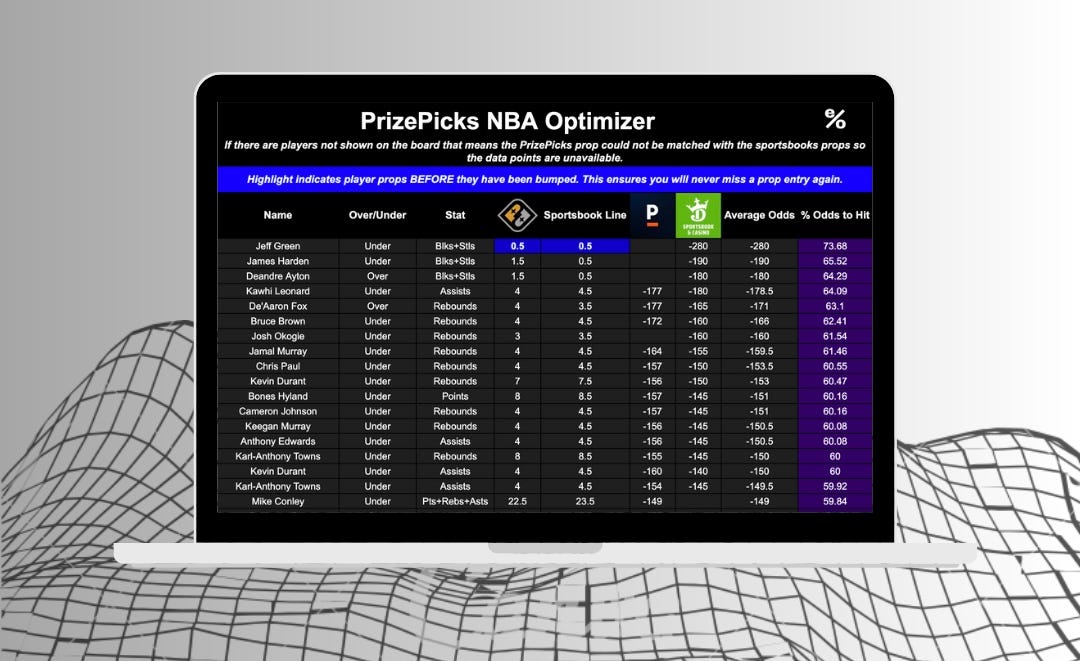
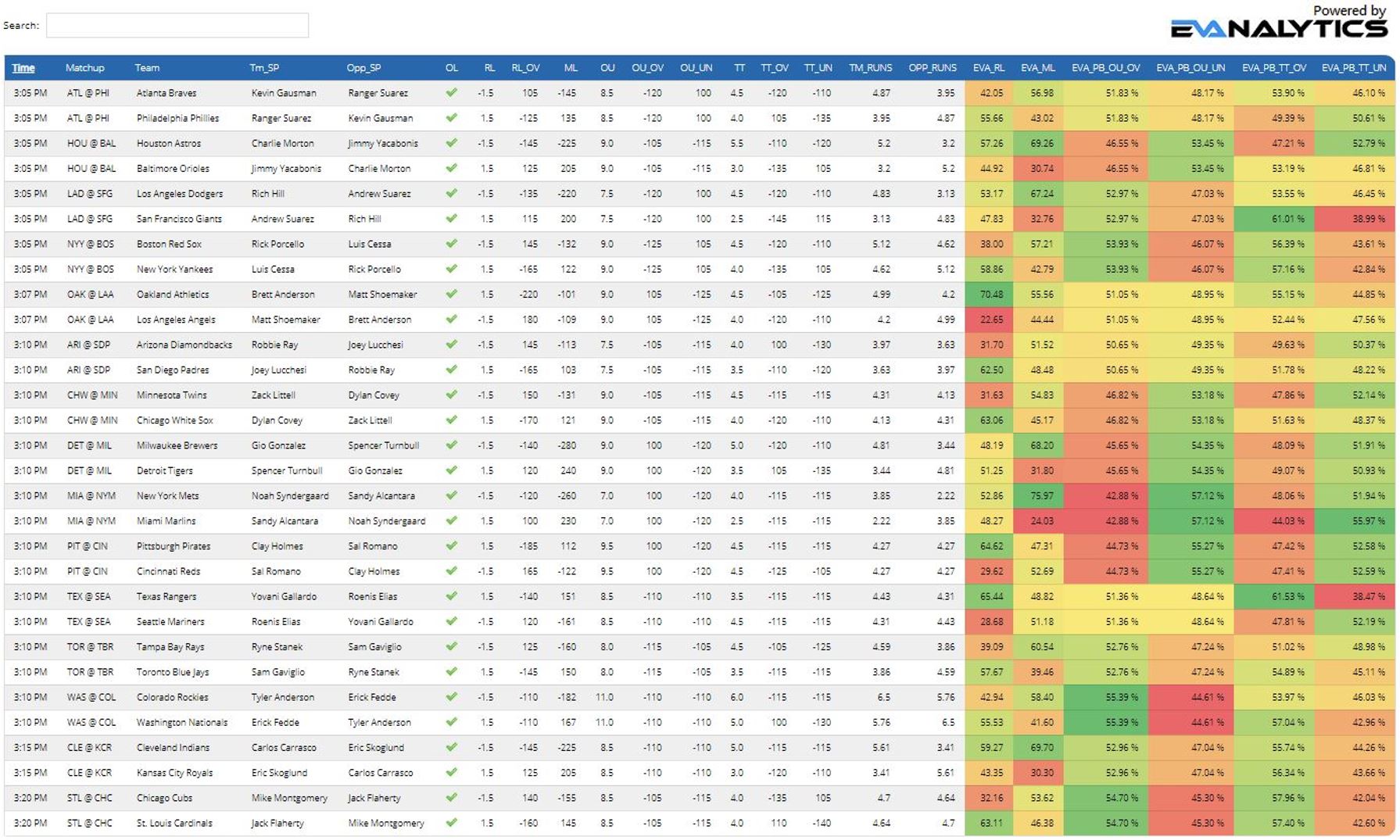
Data analysis is increasingly integral to developing effective betting strategies. Modern technology provides access to vast datasets, from historical performance metrics to real-time market movements. Leveraging this information enables players to construct predictive models, simulate outcomes, and quantify potential risks with greater precision. Analytical tools, when combined with experiential insight, allow for a comprehensive approach in which decisions are informed by both quantitative evidence and contextual understanding. This synthesis of data and intuition often differentiates casual players from those who achieve consistent, strategic results.
Behavioral insights further enrich the strategic process. Recognizing how other participants are likely to act under certain conditions allows for anticipatory positioning. Understanding crowd psychology, momentum effects, and common cognitive biases in betting behavior provides a layer of foresight that purely numerical models might overlook. By integrating this awareness, players can make decisions that not only consider the objective probabilities but also account for likely human reactions, increasing the effectiveness of strategic choices.
Continuous evaluation and reflection are vital to maintaining and improving strategy over time. Each decision provides feedback, whether in the form of outcomes, market responses, or personal psychological reactions. Systematically reviewing these experiences highlights strengths, exposes weaknesses, and uncovers opportunities for refinement. Players who engage in deliberate reflection can iterate on their approach, improving adaptability and resilience. This commitment to learning ensures that strategy evolves in tandem with changing conditions, maintaining relevance and efficacy.
Communication and information sharing also play a subtle role in enhancing market awareness. Engaging with communities, following expert analysis, and observing trends within peer networks can provide nuanced perspectives that augment individual insights. While independent decision-making is essential, exposure to diverse viewpoints broadens understanding and helps identify factors that may not be immediately apparent. This collective intelligence complements personal analysis, providing a richer foundation for strategic action.
Ultimately, exploring betting strategy strengthens market awareness by fostering a holistic comprehension of risk, probability, psychology, and external conditions. It cultivates the ability to navigate complex environments with informed judgment, balancing analytical rigor with adaptive thinking. Strategic players are not merely reacting to events; they anticipate, interpret, and position themselves advantageously, using insight as a lever to optimize outcomes. Through disciplined execution, data-driven evaluation, and continuous learning, a well-developed strategy enhances awareness, empowers decision-making, and promotes sustainable engagement in dynamic betting landscapes.
This approach transforms betting from a purely reactive endeavor into a thoughtful, skill-based activity, where preparation, observation, and reflection converge to improve performance. By emphasizing strategic thinking, players gain not only a tactical edge but also a deeper understanding of the markets they engage with, reinforcing both confidence and competence in an environment defined by uncertainty and opportunity.


Leave a Reply