Responsible gaming is an essential pillar in the evolution of the gaming industry, serving not only to protect players but also to ensure the long-term sustainability of gaming platforms. By fostering a culture of responsible gaming, both players and operators can create an environment where entertainment and risk management coexist harmoniously. Understanding the significance of responsible gaming requires a deep dive into player behavior, technological tools, regulatory frameworks, and ethical considerations, all of which collectively strengthen sustainable play across diverse gaming contexts.
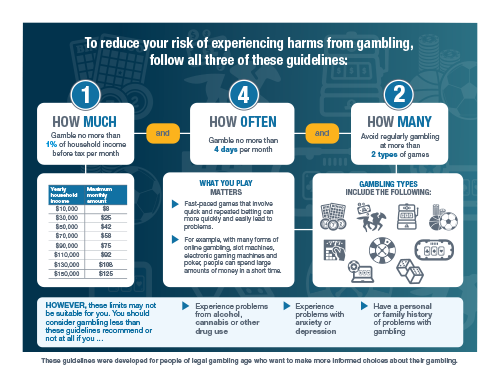
At its core, responsible gaming revolves around awareness, control, and informed decision-making. Players are encouraged to recognize their limits, both in terms of financial expenditure and time commitment. This awareness is critical because uncontrolled gaming can lead to negative consequences, including financial strain, emotional stress, and social disruption. By promoting responsible gaming practices, operators help players establish boundaries that safeguard their well-being, thereby encouraging a healthier relationship with gaming activities. Setting limits on deposits, wagers, and session times are practical measures that can prevent impulsive decisions and reduce the risk of problem gambling.
Technology plays a vital role in facilitating responsible gaming and reinforcing sustainable play. Modern platforms incorporate advanced tools such as self-exclusion mechanisms, deposit limits, and real-time analytics that monitor player activity. These tools provide players with actionable insights into their gaming behavior, allowing them to make informed choices. For instance, alerts about prolonged play sessions or escalating bets can prompt reflection and adjustment. Moreover, AI-driven analytics can detect patterns indicative of potential gambling issues, enabling timely interventions and support. The integration of such technologies demonstrates a commitment to player safety and sustainability, aligning operational objectives with ethical responsibilities.
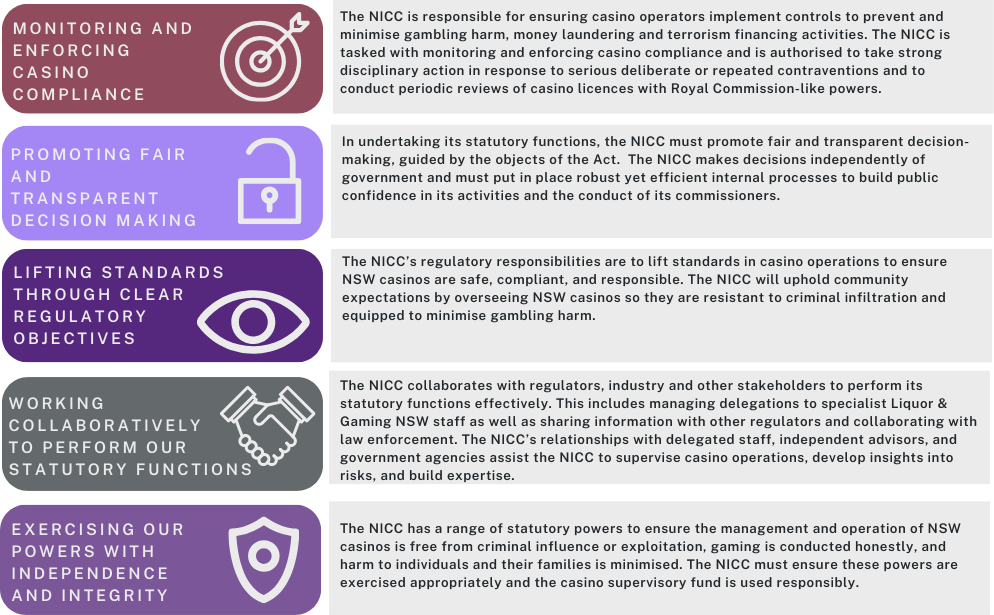
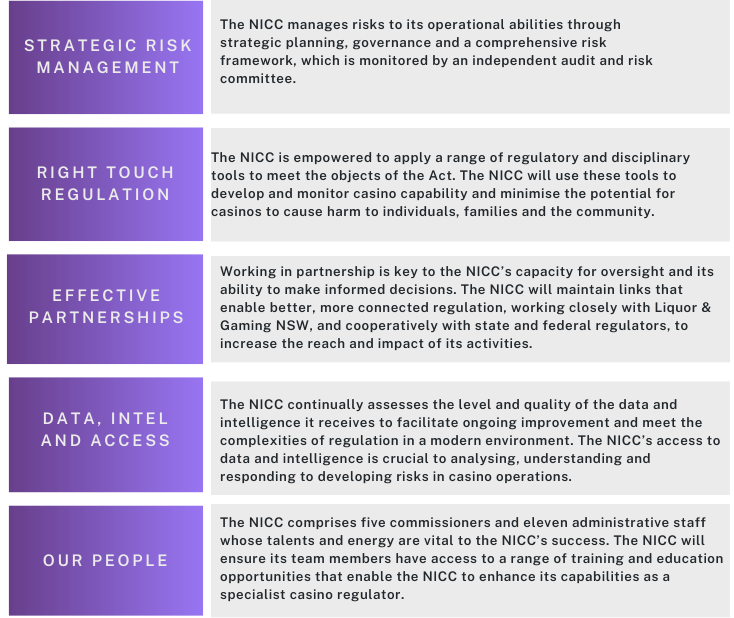
Regulatory frameworks further underpin the importance of responsible gaming. Governments and industry bodies have established strict guidelines to ensure that gaming operators maintain fair and safe practices. Licensing requirements often mandate the implementation of responsible gaming measures, including accessible information on problem gambling, self-assessment tools, and clear communication of terms and conditions. Compliance with these regulations not only protects players but also enhances the credibility and longevity of gaming platforms. Operators that prioritize adherence to regulatory standards foster trust and loyalty among players, which is a cornerstone of sustainable business growth.
Education is another crucial component in the responsible gaming ecosystem. Providing players with comprehensive knowledge about the risks associated with gambling, as well as strategies to manage those risks, empowers them to engage in gaming safely. Educational initiatives can take the form of tutorials, interactive guides, webinars, and informational campaigns. By highlighting the mechanics of games, the probabilities of winning, and the role of chance, players gain realistic expectations that mitigate the allure of chasing losses or overestimating their control over outcomes. Informed players are better equipped to make conscious choices, reducing impulsive behaviors and supporting a balanced approach to gaming.
Social responsibility extends beyond individual players to encompass the broader community. Operators are increasingly recognizing the value of supporting initiatives that address gambling-related harm, such as funding research, partnering with counseling services, and promoting awareness campaigns. By contributing to societal well-being, gaming companies demonstrate ethical stewardship, which strengthens their reputation and fosters long-term engagement. Sustainable play is not solely about individual moderation; it also involves creating an ecosystem that encourages safe practices, empathy, and collective responsibility.
Psychological factors also play a pivotal role in responsible gaming. Understanding cognitive biases, emotional triggers, and reward mechanisms allows operators to design experiences that minimize harmful behaviors. Features such as loss limits, cooldown periods, and voluntary self-exclusion help mitigate compulsive tendencies while preserving entertainment value. By acknowledging the interplay between psychology and gaming behavior, platforms can create environments that prioritize mental health and prevent the escalation of problem gambling. Players, in turn, become more self-aware and capable of regulating their gaming habits, contributing to sustainable engagement over time.
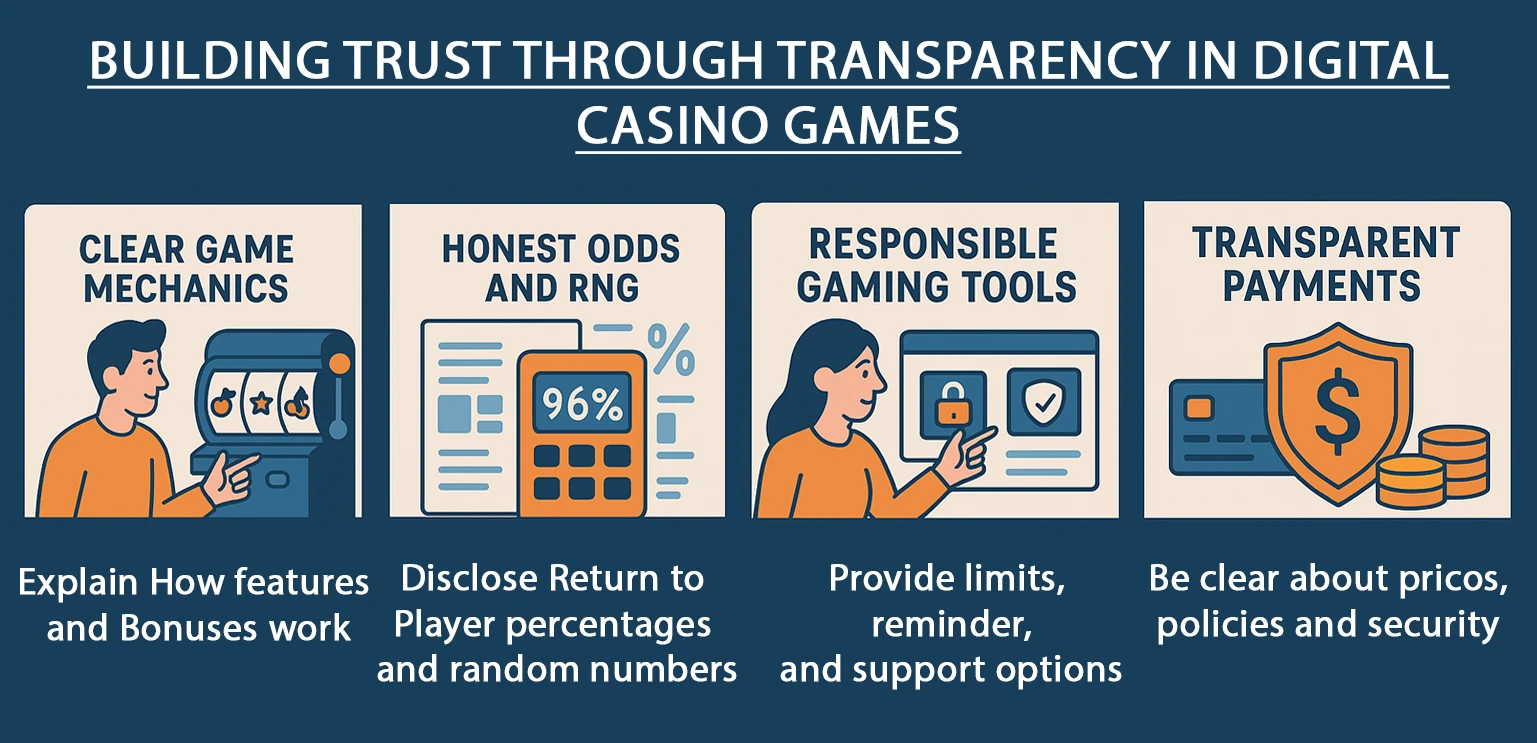
Transparent communication between operators and players is another cornerstone of responsible gaming. Clear information regarding game rules, payout structures, and risks ensures that players are not misled or subjected to opaque practices. Transparency fosters trust, enabling players to make deliberate decisions and manage expectations effectively. Additionally, feedback mechanisms, customer support, and accessible reporting channels empower players to voice concerns or seek assistance when needed. A culture of openness reinforces responsible gaming practices and nurtures a sustainable, mutually respectful relationship between the gaming platform and its community.
The integration of responsible gaming into platform design and operational strategy also enhances economic sustainability. By promoting healthy gaming habits, operators reduce the incidence of disputes, account closures, and negative publicity associated with problem gambling. Loyal, satisfied players are more likely to engage consistently, contributing to stable revenue streams and a resilient business model. Sustainability, in this context, is both ethical and financial, demonstrating that prioritizing responsible gaming is not merely a regulatory obligation but also a strategic advantage that reinforces long-term viability.
Collaborative efforts among stakeholders amplify the impact of responsible gaming initiatives. Industry associations, regulators, mental health professionals, and technology providers can share best practices, research findings, and innovative solutions to address emerging challenges. This collective approach ensures that responsible gaming evolves in step with technological advancements and changing player demographics. By fostering partnerships, the gaming industry can create comprehensive frameworks that safeguard players while supporting dynamic, adaptable, and sustainable gameplay experiences.
In conclusion, exploring responsible gaming is central to strengthening sustainable play within the gaming industry. By promoting awareness, leveraging technology, adhering to regulations, providing education, embracing social responsibility, considering psychological dynamics, ensuring transparency, and fostering collaboration, both players and operators benefit from a safer, more balanced, and resilient gaming environment. Responsible gaming transforms the pursuit of entertainment into an ethically guided, strategically managed activity, supporting long-term engagement and stability. Players enjoy meaningful experiences with reduced risk, while operators cultivate trust, loyalty, and sustainable growth, creating a virtuous cycle that underpins the future of gaming. This holistic approach underscores that responsible gaming is not just a protective measure but a foundational principle for sustainable play, ensuring that gaming remains enjoyable, fair, and beneficial for all stakeholders.