
In the modern landscape of online gambling, understanding the platforms on which players engage is essential for both users and operators alike. Platforms serve as the backbone for every interaction, transaction, and gaming experience, influencing not only how games function but also how players perceive fairness, security, and reliability. A well-understood gambling platform offers transparency that strengthens system integrity and fosters trust, which is vital in an environment where players are entrusting money and personal data to digital systems. By examining the operational mechanics, technological infrastructure, and regulatory compliance of these platforms, stakeholders can gain insight into how integrity is maintained and why it matters for sustainable engagement.
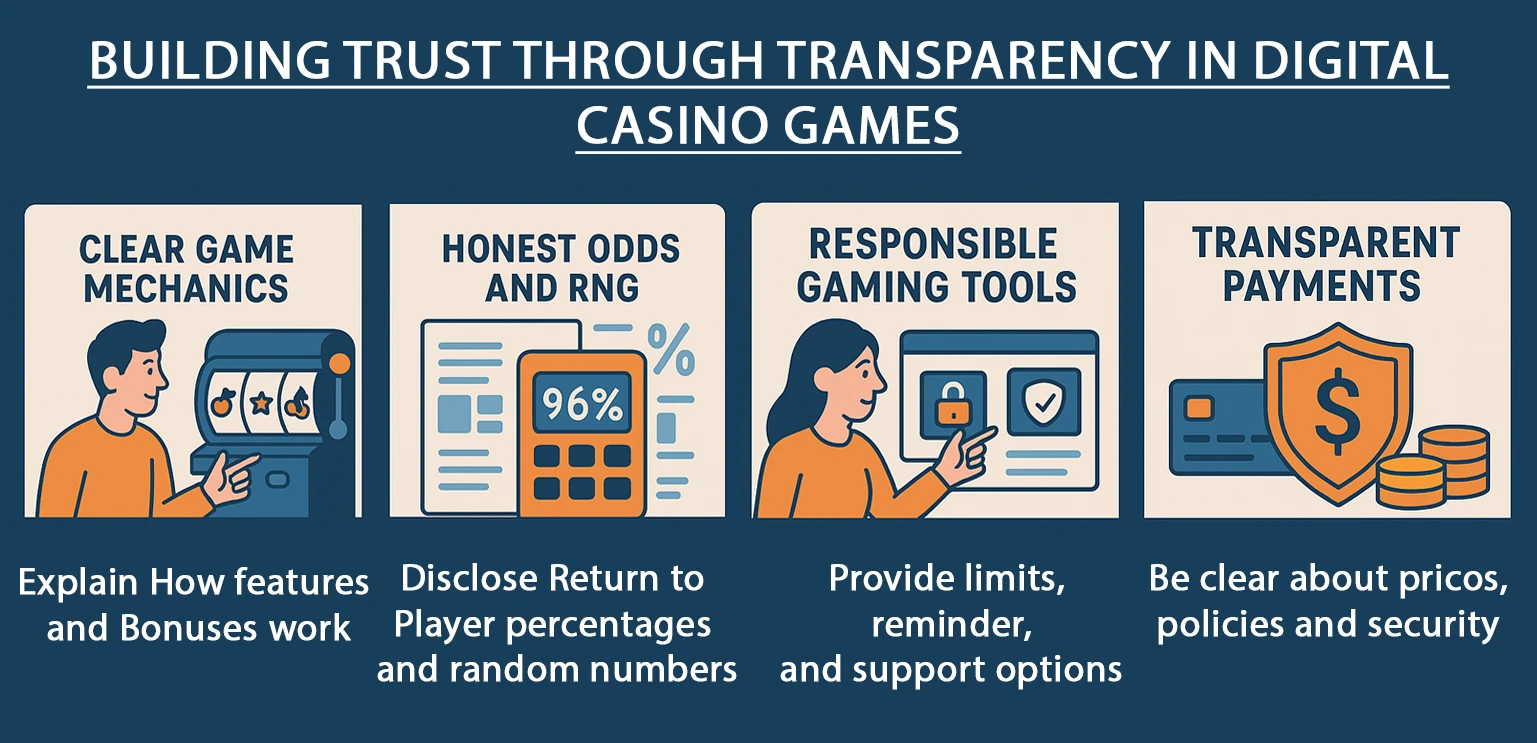
At the core of any gambling platform is its technological framework. This includes software algorithms, random number generation (RNG) systems, and user interfaces. Random number generators are critical because they ensure outcomes are unpredictable and fair. When a platform’s RNG system is robust and properly audited, it eliminates the possibility of manipulation, giving players confidence that each game outcome is determined purely by chance rather than by hidden algorithms favoring the house unfairly. Furthermore, transparency around these algorithms, often through third-party testing or certification, reassures users that the platform prioritizes integrity over short-term profit.
Security infrastructure is another key aspect of system integrity. Platforms must employ advanced encryption methods to protect sensitive user data and financial transactions. This encompasses secure socket layers (SSL), firewalls, and intrusion detection systems, which collectively defend against unauthorized access and cyber threats. A platform that demonstrates strong cybersecurity practices ensures that player information is safe, transactions are protected, and the risk of fraud is minimized. This not only preserves the reputation of the platform but also encourages users to engage more confidently, knowing their personal and financial data are shielded from compromise.
Operational transparency extends beyond technology to include policies, terms, and conditions. Platforms that clearly communicate rules, payout structures, and responsible gaming measures cultivate an environment of trust. Users who understand how bonuses are credited, how wagering requirements work, and how disputes are handled are less likely to feel misled or unfairly treated. This clarity reduces conflicts, enhances user satisfaction, and strengthens the perception that the platform operates ethically. Additionally, responsible gaming features, such as deposit limits, self-exclusion options, and activity monitoring, are evidence of a platform’s commitment to ethical standards and the well-being of its players.
Regulatory compliance is a further pillar of platform integrity. Licensed platforms are subject to oversight by governing bodies that enforce standards for fairness, security, and operational conduct. Adherence to these regulations ensures that platforms cannot arbitrarily change rules or manipulate outcomes, providing players with a consistent and equitable experience. Furthermore, the presence of licenses from reputable jurisdictions signals to players that the platform has passed stringent audits, meets legal requirements, and is accountable to external authorities. This external validation complements internal security and fairness measures, creating a comprehensive integrity framework.
The user experience is deeply intertwined with perceptions of integrity. Intuitive navigation, clear account management, and responsive support services all contribute to the sense that a platform is reliable and well-managed. When players encounter seamless gameplay, transparent balances, and prompt resolution of inquiries, they are more likely to trust the system. On the other hand, confusing interfaces, slow transaction processing, or opaque support procedures can erode confidence and raise doubts about the platform’s legitimacy. Hence, understanding the ways in which user experience reflects and reinforces system integrity is essential for both designers and regulators.
Transaction management is another critical factor. Efficient processing of deposits, withdrawals, and winnings demonstrates operational competence and reinforces trust. Platforms that provide multiple secure payment options, clear processing times, and transparent fee structures signal reliability. In contrast, delays or unexplained deductions can lead to frustration and suspicion, undermining the perception of fairness. Detailed reporting tools and transaction histories further enable players to verify activities independently, reinforcing the platform’s commitment to transparency.
Data analytics and monitoring systems also play a role in maintaining integrity. Platforms track gameplay patterns, detect irregularities, and prevent fraudulent behaviors such as collusion or exploitation of software glitches. Continuous monitoring not only safeguards the platform and its users but also helps operators optimize games to ensure fairness and sustainability. This proactive approach demonstrates that integrity is not merely a static promise but an ongoing commitment to maintaining a secure and fair environment.
Understanding platform architecture also highlights the importance of scalability and reliability. High uptime, server redundancy, and effective load balancing ensure that platforms remain operational even during peak traffic, preventing interruptions that could compromise user trust. A resilient system that consistently performs under varying conditions is perceived as dependable, enhancing the credibility of the platform and the stability of its operations.
Integration with external audits, independent testing, and certifications further strengthens system integrity. Platforms that submit their software to third-party evaluators demonstrate accountability, as these audits verify the fairness and security of games. Such practices provide both operators and players with confidence that the platform is operating as intended and adheres to industry standards.
In essence, understanding a gambling platform is not merely a technical exercise; it is a comprehensive approach to ensuring that every facet of the system—from software and security to user experience and regulatory compliance—works harmoniously to uphold fairness, transparency, and trustworthiness. This knowledge equips players to engage responsibly, empowers operators to maintain sustainable practices, and ultimately enhances the overall integrity of the online gambling ecosystem. By emphasizing these dimensions, platforms create an environment where integrity is visible, measurable, and meaningful, strengthening confidence and fostering long-term engagement.
A strong commitment to understanding and implementing these elements creates a virtuous cycle: players are more likely to engage positively when they trust the platform, and the platform benefits from a stable, loyal user base. Transparency, accountability, and robust technical safeguards work in concert to make the system not only functional but reliable. As the online gambling industry continues to evolve, platforms that prioritize system integrity will stand out as trustworthy environments where fairness, security, and ethical standards are not optional but foundational. Through careful attention to these factors, both users and operators can navigate the digital gambling landscape with assurance, knowing that the systems in place are designed to protect, inform, and deliver a fair gaming experience.







Leave a Reply