
Engaging in casino games offers more than just entertainment; it fosters a connection between players and the gaming platforms they frequent. The allure of these games lies not only in their potential for financial gain but also in the immersive experiences they provide. Players are drawn to the thrill of uncertainty, the anticipation of rewards, and the intricate designs that capture their attention. This emotional engagement cultivates a sense of attachment, encouraging loyalty over time. When players feel understood and valued through carefully designed games, they are more likely to return, creating a sustainable player base for casinos.
Understanding player psychology is central to fostering loyalty. Games that cater to various motivations—whether it’s the excitement of risk-taking, the pleasure of mastering skills, or the satisfaction of achieving milestones—encourage repeated participation. Reward systems, whether through points, bonuses, or achievements, play a crucial role. These systems provide reinforcement, subtly guiding players toward continued engagement. When rewards are meaningful and well-timed, they strengthen the bond between the player and the platform, making players feel recognized and appreciated.
Consistency in game quality is another key factor. Players develop trust in platforms that provide fair and transparent gaming experiences. Randomness, fairness, and predictable mechanics contribute to a sense of reliability, allowing players to engage confidently. This trust extends beyond individual games to the overall platform, enhancing loyalty. Platforms that prioritize fairness and transparency demonstrate respect for players, reinforcing the idea that engagement is mutually beneficial.
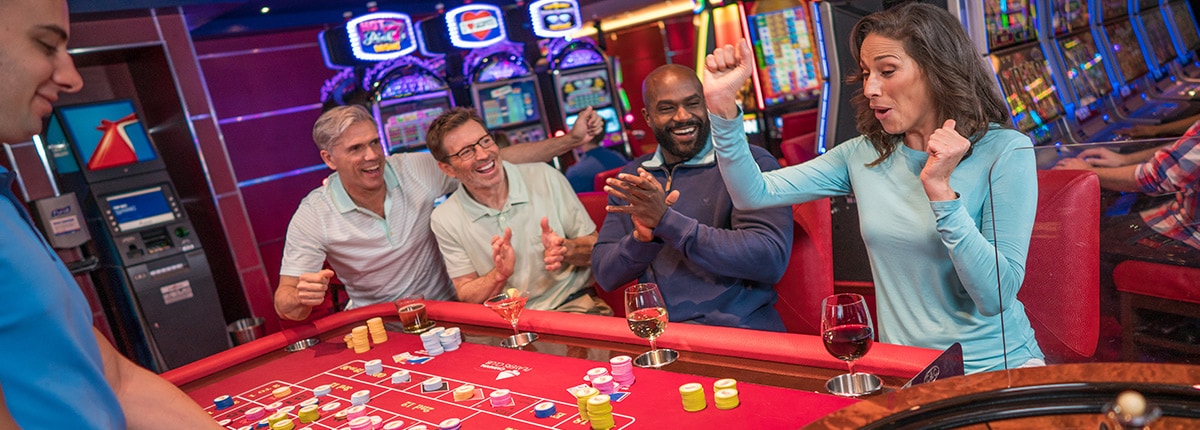
Social interaction also enhances player loyalty. Many modern casino games incorporate elements that allow players to connect with others, whether through chat functions, leaderboards, or collaborative challenges. Social features tap into the human desire for connection and recognition, providing additional reasons for players to remain engaged. When players form communities around games, they are more likely to return not just for the gameplay itself but also for the relationships and interactions that develop.
Personalization further strengthens loyalty by making players feel uniquely valued. Tailoring experiences based on player preferences, behaviors, and past interactions creates a sense of relevance and care. Personalized recommendations, adaptive difficulty levels, and targeted rewards signal attentiveness, encouraging deeper engagement. Players are more likely to invest time and resources into platforms that feel responsive to their individual needs and provide experiences that align with their interests.
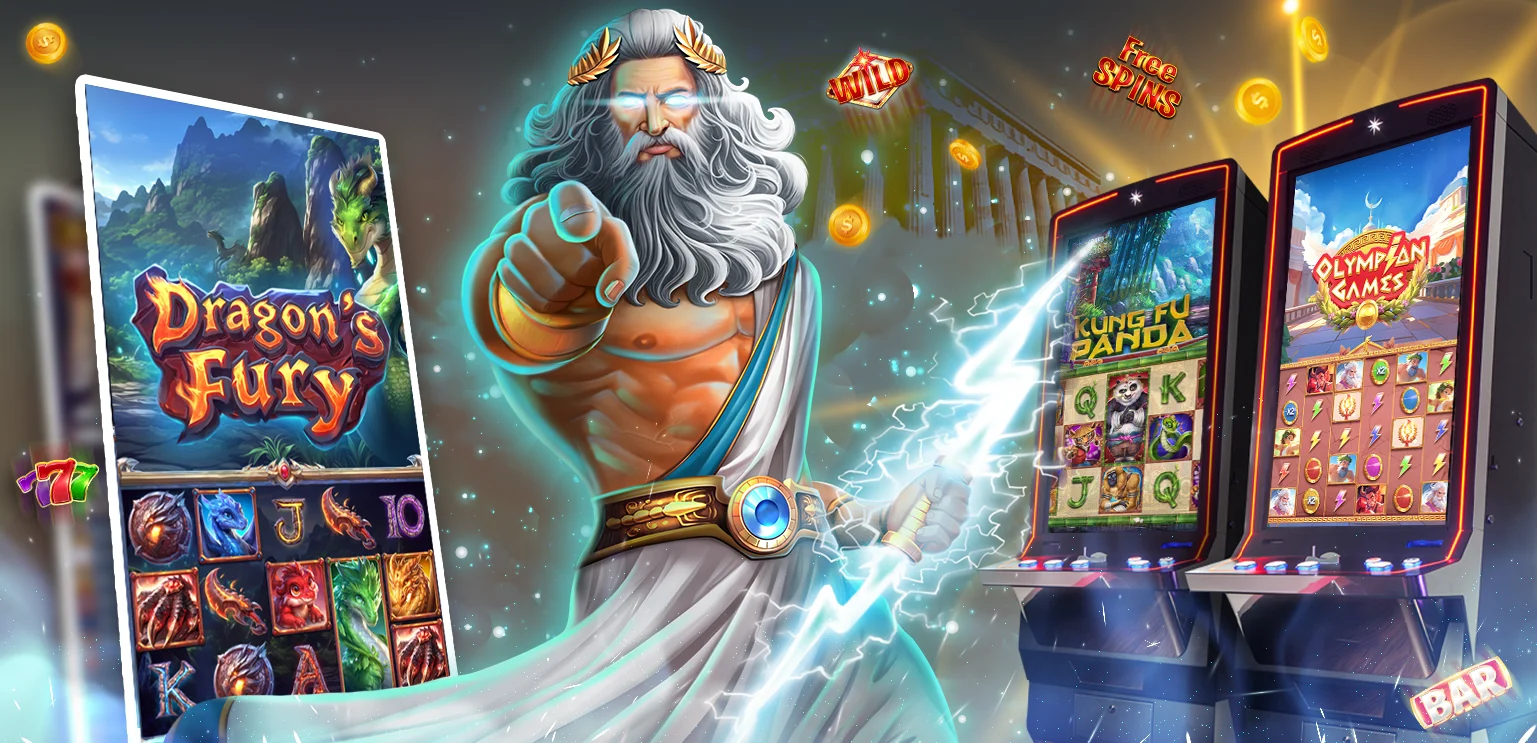
The role of immersive design cannot be overstated. Visual and auditory elements, thematic consistency, and interactive mechanics contribute to the overall appeal of games. When players are drawn into captivating worlds or experiences, they experience heightened emotional engagement. This immersion not only enhances immediate enjoyment but also increases the likelihood of return visits. The more compelling the experience, the stronger the association between pleasure and the platform, reinforcing loyalty over time.
Moreover, strategic gameplay and skill-based elements contribute to a sense of accomplishment and mastery. When players perceive that their decisions influence outcomes, they experience a sense of control and competence. This perception of agency strengthens attachment, as players feel that their engagement is meaningful rather than purely based on chance. Games that balance luck and skill effectively cater to diverse motivations, sustaining interest and promoting long-term loyalty.
Responsible gaming practices play a subtle but important role. Players who perceive that platforms prioritize safety, fair play, and ethical standards are more likely to remain loyal. Tools such as deposit limits, time reminders, and self-exclusion options demonstrate a commitment to player well-being. These measures not only protect players but also build trust, as participants recognize that the platform values their long-term engagement over short-term profit. Loyalty is often strongest when players feel that the environment is safe, supportive, and ethically managed.
Regular updates and innovation also maintain engagement and loyalty. Introducing new games, features, or thematic events prevents stagnation and keeps the gaming experience fresh. Players are more likely to remain committed to platforms that continually evolve to meet their interests and provide novel experiences. Innovative design demonstrates attentiveness to player desires and reinforces the idea that the platform is dynamic and invested in providing ongoing value.
Rewards and loyalty programs further cement commitment. Tiered systems, exclusive bonuses, and recognition of long-term engagement incentivize sustained participation. These programs create a reciprocal relationship: players invest time and resources, and in return, they receive benefits that reinforce their connection to the platform. Such programs also serve as status markers, appealing to players’ sense of achievement and fostering pride in continued engagement.
Feedback mechanisms enhance the sense of connection. Platforms that listen to players, implement suggestions, and communicate changes transparently show respect and attentiveness. This dialogue reinforces loyalty, as players perceive that their opinions matter and contribute to the evolution of their favorite games. A responsive platform strengthens the perception of partnership, where player input helps shape the overall experience.
In addition, emotional storytelling within games deepens engagement. Narratives, character development, and evolving storylines create emotional resonance, encouraging players to return to see outcomes unfold. This narrative engagement taps into intrinsic motivations, creating a connection that transcends mere gameplay. Players become invested not only in winning but also in the experience itself, fostering a richer, more enduring loyalty.
Ultimately, fostering loyalty in casino gaming is a multifaceted endeavor. By combining psychological insight, fair and engaging mechanics, social interaction, personalization, immersive design, responsible gaming, innovation, rewards programs, responsive feedback, and narrative engagement, platforms cultivate meaningful connections with players. These connections translate into sustained participation, emotional attachment, and long-term commitment. Players who feel valued, understood, and engaged are more likely to return, reinforcing the stability and success of the platform. By prioritizing both enjoyment and ethical practices, casino games can transform short-term engagement into lasting loyalty, creating a thriving ecosystem that benefits both players and operators alike.

Leave a Reply