
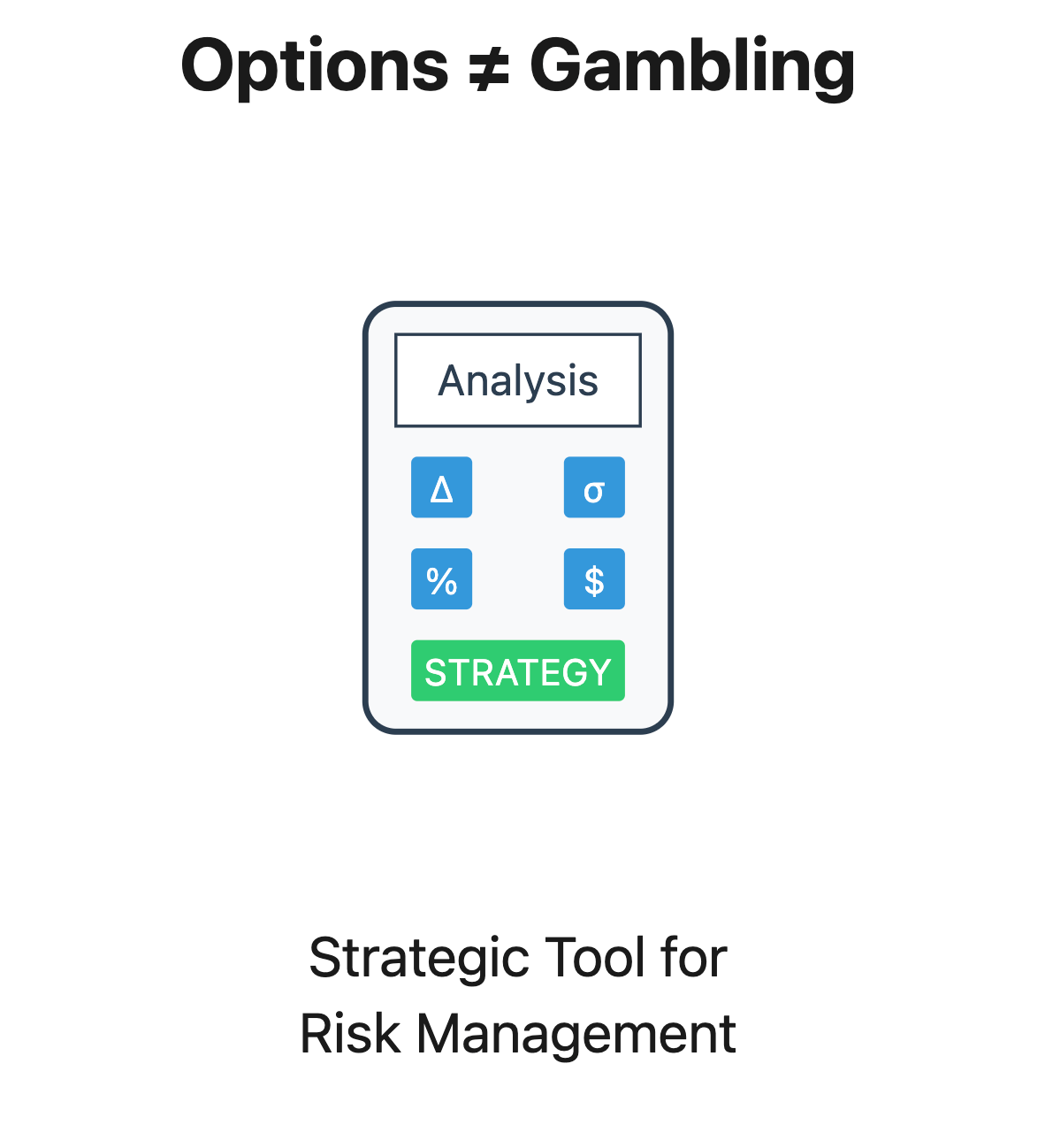
Gambling has always been a complex interplay between chance and choice, offering both excitement and potential risk. For those who engage in gambling, whether casually or professionally, understanding the underlying strategies is essential for managing outcomes responsibly. A well-developed gambling strategy does more than increase the likelihood of winning—it provides a framework for controlling risk, maintaining discipline, and making informed decisions in the face of uncertainty. By exploring various approaches to gambling strategy, players can better navigate the unpredictable nature of games of chance, cultivating both self-awareness and resilience.
At the core of effective gambling strategy is the ability to analyze probabilities and understand the odds. Every game, from poker to roulette, operates within a structured set of probabilities. Players who take the time to comprehend these statistical realities gain insight into their potential gains and losses. For instance, knowing the house edge in a particular game allows players to set realistic expectations and avoid overestimating their chances of winning. Understanding the likelihood of certain outcomes helps in designing a betting system that aligns with personal risk tolerance, promoting long-term sustainability in play rather than chasing unrealistic wins.
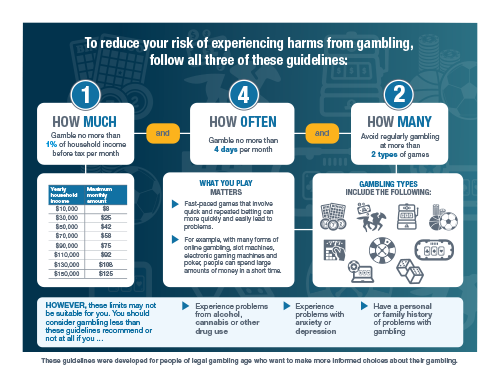
Bankroll management is another pillar of strategic gambling that directly supports risk control. Allocating a specific amount of money for gambling, and deciding in advance how much to wager on each bet, prevents impulsive decisions driven by emotion. Players who employ strict bankroll limits are better equipped to withstand losing streaks without jeopardizing financial stability. This discipline allows gamblers to engage with the game for extended periods, improving their decision-making through experience rather than emotional reaction. Moreover, maintaining a clear record of wins and losses helps track performance objectively, fostering a reflective approach to strategy development.
Adaptability is a key component of any successful gambling strategy. Unlike predictable investments or skill-based sports, gambling outcomes are inherently uncertain. Strategies must be flexible enough to adjust to changing conditions, whether those involve shifts in the game’s mechanics, the behavior of other players, or one’s own performance trends. By continually evaluating outcomes and modifying tactics, players can minimize unnecessary risk while exploiting advantageous situations. Adaptive strategies emphasize learning from past decisions, reinforcing the importance of observation and analysis over mere intuition or habit.
Psychological control also plays a significant role in strategic gambling. The excitement of potential reward often triggers impulsive behavior and emotional responses that can undermine rational decision-making. Recognizing these tendencies and developing coping mechanisms—such as pre-determined limits, scheduled breaks, or mindfulness practices—enhances the ability to make calm, calculated choices. Players who are aware of their emotional triggers are less likely to engage in chasing losses or overextending bets, which are common pitfalls in gambling behavior. In essence, strategy extends beyond the mathematics of probability and into the domain of self-regulation, merging mental discipline with statistical awareness.
Strategic gambling also benefits from understanding patterns and trends, particularly in games where prior outcomes influence future possibilities. In card games, for example, tracking which cards have been played can inform decisions about subsequent bets. While outcomes remain uncertain, informed choices based on pattern recognition reduce the reliance on pure chance and increase the effectiveness of each wager. Similarly, in betting scenarios such as sports or horse racing, analyzing historical performance data, environmental factors, and competitor tendencies equips players to make predictions with a higher degree of confidence. This analytical approach exemplifies how strategy transforms random events into structured decision-making opportunities.
Responsible strategy incorporates contingency planning and risk mitigation measures. Players who anticipate potential losses and design exit strategies are better positioned to maintain control under adverse circumstances. This might involve setting stop-loss limits, diversifying betting activities across multiple games, or implementing incremental wager adjustments. By considering not only the potential for reward but also the implications of loss, players reduce the likelihood of emotionally driven decisions that can escalate risk. In this way, strategic planning aligns closely with risk management principles found in financial and operational decision-making, underscoring the universality of these practices.
Social and environmental factors also influence the effectiveness of gambling strategy. Participating in environments that encourage fair play, provide transparent rules, and minimize distractions enhances the capacity for disciplined decision-making. Similarly, interacting with experienced peers or seeking guidance from educational resources can expand a player’s understanding of game mechanics and strategic options. This collective dimension of strategy reinforces the importance of context and support systems in managing both risk and behavior, demonstrating that gambling is not only a solitary cognitive exercise but also a social experience that can shape choices.
Ultimately, exploring gambling strategy serves as a means of empowering players to engage with uncertainty thoughtfully rather than recklessly. By integrating statistical knowledge, disciplined bankroll management, adaptability, psychological control, pattern recognition, risk mitigation, and social awareness, players enhance their capacity to manage potential losses while optimizing opportunities for gain. A comprehensive strategy provides a framework for consistent decision-making, promoting a balance between enjoyment and responsibility. In doing so, gambling transforms from a purely chance-driven activity into an arena where careful planning, reflection, and skillful judgment coalesce to create controlled, sustainable engagement. Players who commit to developing and refining their strategies not only improve their immediate outcomes but also cultivate long-term resilience and confidence, ensuring that the thrill of the game does not come at the expense of prudent risk management.
By approaching gambling with strategic intent, players redefine their relationship with risk. Each decision, informed by analysis and self-awareness, becomes a deliberate step rather than a reaction to chance. This perspective encourages continuous learning, as players evaluate successes and failures, adapting their approach to evolving circumstances. The disciplined practice of strategic gambling reinforces the idea that outcomes are influenced not solely by luck but also by thoughtful planning, careful observation, and emotional regulation. Consequently, those who embrace strategic gambling gain not only a framework for risk control but also a pathway to personal growth, resilience, and enduring engagement with games of chance.




Leave a Reply